
Southwood Homes
- Home
- Southwood Homes
Phlebotomy Program in Southwood Homes
Radiant Care Nursing And Phlebotomy offers structured, curriculum-based phlebotomy training, focusing on clinical accuracy and safety standards. Our phlebotomy program in Southwood Homes focuses on giving hands-on experience and deep theoretical knowledge across all modules to prepare the student to deal with all challenges in a laboratory environment.
Here are the main components that define how our phlebotomy training programs in Southwood Homes operate with focus, consistency, and technical strength:
- CDC-Compliant Infection Control: Our instructor follows CDC and OSHA standards to teach safe blood collection, contamination prevention, and environmental hygiene in a healthcare setting.
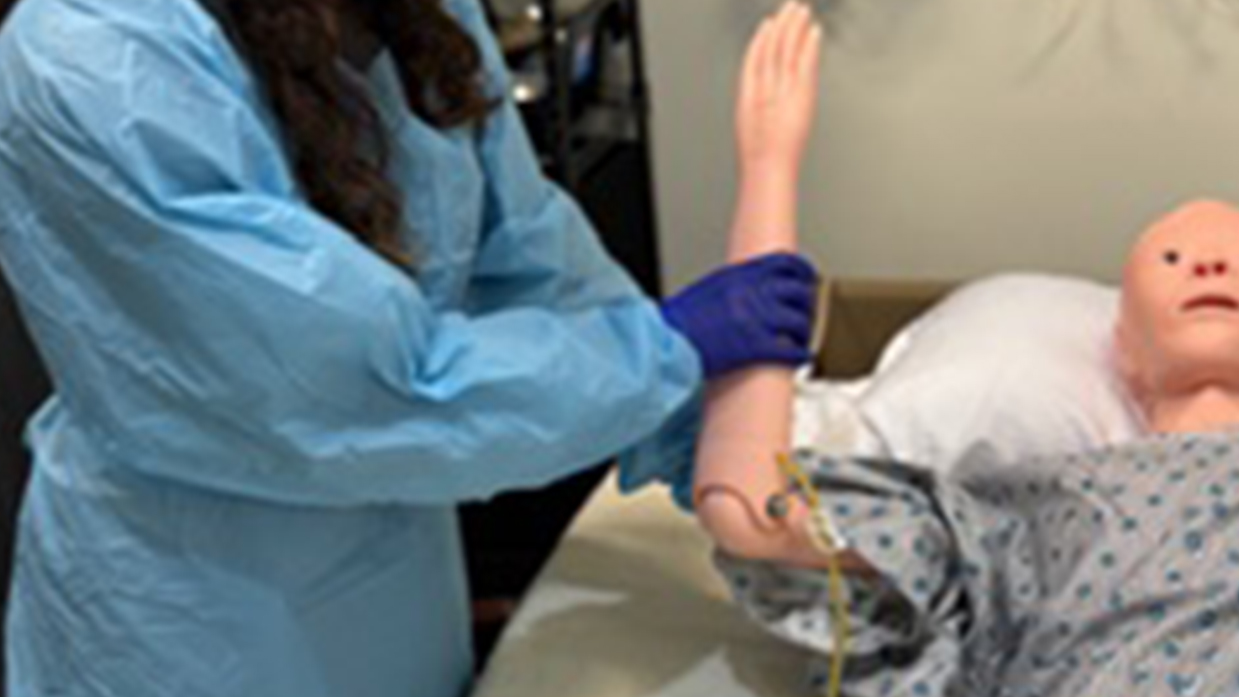
- On-Site Laboratory Simulations: Our students train in simulated labs under instructor supervision, performing venipuncture and capillary puncture before moving to live practice settings, ensuring readiness and procedural accuracy.
- Flexible Learning Schedules: We provide weekday, evening, and weekend class options. This structure allows students to progress through the curriculum at a manageable pace while maintaining other responsibilities.
- Credentialed Professional Instructors: Our phlebotomy professionals conduct every session. Instruction covers both theoretical and applied concepts with emphasis on method, compliance, and proper documentation.
Our comprehensive phlebotomy course in Southwood Homes covers anatomy, blood composition, medical terminology, venipuncture techniques, and legal responsibilities, including HIPAA and patient consent, preparing students with essential clinical and regulatory knowledge.
Patient Interaction During Blood Collection
Phlebotomy needs both technical skill and the ability to work well with others. Our phlebotomy training programs in Southwood Homes stress the importance of being professional and communicating well at every step of the collection procedure, especially with patients who may be scared or uncomfortable. Our students learn how to deal with common patient reactions, including anxiety, nausea, or dizziness, while keeping things safe and under control. We also teach them how to talk to kids, older patients, and people who don’t speak much English in a way that makes them feel comfortable and clear.
We also talk about the legal and procedural aspects of interacting with patients, such as getting their permission and making sure they are properly identified before drawing blood. Cultural awareness modules teach how to accept patients’ differences, keep their dignity, and avoid misunderstandings during invasive treatments. We also talk about outpatient protocols, which are about keeping a good relationship with patients who come back for tests on a regular basis. Our phlebotomy program in Southwood Homes is meant to make sure that every step is useful and necessary. This will prepare students to handle patients professionally while upholding ethical standards and keeping the workflow in clinical care.
Laboratory Integration and System Coordination
Phlebotomy training doesn’t end at blood collection. Proper handling, labeling, and coordination with laboratory systems are essential for test accuracy and patient safety. Our best phlebotomy training services in Southwood Homes integrate instruction on lab workflow, recordkeeping, and sample management.
Here are the core integration modules that explain how our program aligns clinical procedures with laboratory standards:
- Chain of Custody Protocols: We guide our students on how to label and transfer the specimen without contamination and under legal standards, maintaining sample traceability through every handoff and testing phase.
- EHR and Data Systems Training: We teach trainees to navigate electronic health record (EHR) systems, ensuring accurate specimen entry, labeling, and verification across departments to minimize clerical or tracking errors.
- Sample Integrity and Transport Procedures: Training includes identifying and preventing hemolysis, contamination, and temperature-related degradation, ensuring every specimen meets testing requirements and maintains diagnostic accuracy.
- Interdepartmental Coordination Practice: Simulated exercises demonstrate workflow between phlebotomists and laboratory technicians, improving teamwork, timing, and communication that directly influence test outcomes and patient satisfaction.
Pre-analytical error prevention is a major focus. Students are trained to identify labeling mistakes, tube mismatches, or timing delays. We ensure that every graduate understands how laboratory integration supports data accuracy and clinical efficiency.
Why Choose Us
Track Your Progress
Our team doesn’t leave you guessing how you’re doing. We log every lab, draw, and assessment so you can see exactly where you stand—and what’s left to complete.
Real Mistakes Allowed
We know fear holds people back. We have designed our labs to make every step error-free. You learn quicker when mistakes are part of the process, not punished.
Our Grads Stay Connected
We don’t disappear after graduation. Past students stay in touch, support each other, and share updates. You’re part of a network that keeps showing up—even after training ends.