
Technology is reshaping nearly every industry, and healthcare is no exception. From AI-powered diagnostics to automated scheduling systems, machines now handle tasks that once required hours of human effort. With these rapid changes, it’s natural to wonder whether technology will eventually replace healthcare workers altogether.
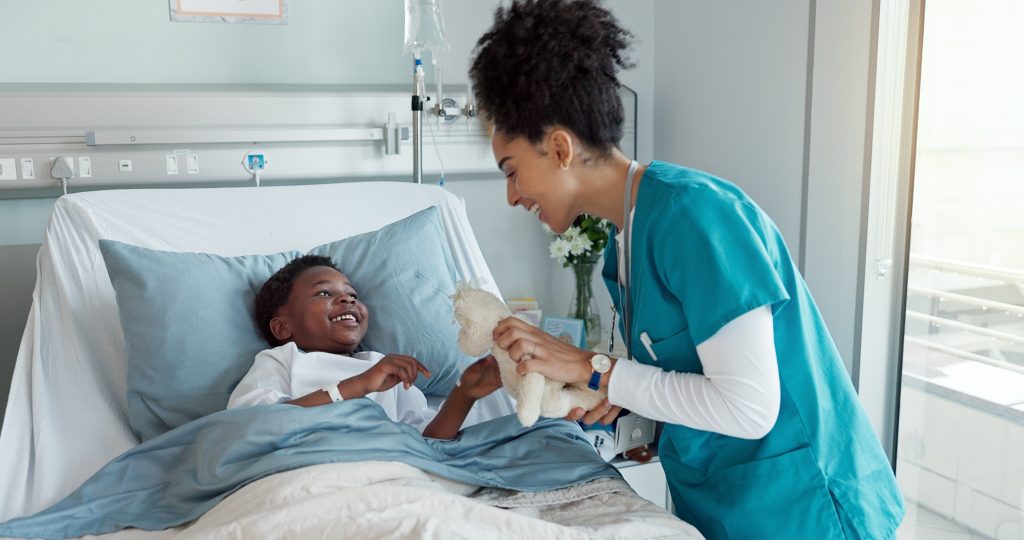
Here’s the reality: While technology supports healthcare professionals in powerful ways, patient care still depends on human interaction. A machine can track a patient’s heart rate, but it can’t hold their hand during a frightening moment. That’s where caring people come in. If you’re drawn to meaningful work that machines simply can’t do, training for a career in CNA could be the perfect starting point for developing skills that will always be in demand.
What Makes a Career as a CNA Different from Other Jobs?
Certified nursing assistants (CNAs) work directly with patients every single day. They’re often the first person a patient sees in the morning and the last one they see at night. This constant, close contact sets the role apart from many other entry-level healthcare careers.
Patient care involves far more than completing tasks on a checklist. It requires empathy, compassion, patience, and emotional support. A CNA who helps someone bathe or eat isn’t just performing a duty—they’re offering comfort and preserving dignity. Human connection plays a major role in how patients heal, cope, and feel cared for.
Can Technology Replace Human Compassion in Healthcare?
Technology is incredibly useful in modern healthcare. It can assist with administrative tasks, manage records, and even support clinical decision-making. AI tools can analyze data faster than any person and flag potential health concerns early.
But there’s a clear limit. Emotional support and genuine human connection remain essential to quality care. Trust, empathy, and understanding can’t be programmed. When a patient feels scared or alone, no app can replace the reassurance of a caring person who listens and responds with warmth. These human caregiving skills are exactly what technology cannot replicate.
Why Are Human Caregiving Skills So Valuable in Healthcare?
The qualities that make a great CNA are deeply human. While medical knowledge matters, these soft skills often make the biggest difference in a patient’s experience. The most valuable caregiving skills involve the following:
- Compassion and empathy to understand what a patient is going through
- Active listening to truly hear concerns, both spoken and unspoken
- Clear communication with patients, families, and medical teams
- Emotional support for patients and their loved ones during stressful times
- Building trust to bring comfort during challenging situations
These abilities create the foundation of patient-centered care, and they grow stronger with proper CNA education and training.
The Human Touch Can’t Be Replaced
Many patient care responsibilities simply can’t be automated. They call for judgment, sensitivity, and a personal connection. A skilled CNA handles tasks such as:
- Assisting patients with daily activities like bathing, dressing, and eating
- Supporting individuals through the ups and downs of recovery
- Providing comfort during difficult and emotional moments
- Helping patients maintain their dignity and independence
- Noticing emotional and physical needs that technology might miss
A CNA might spot that a patient seems unusually quiet or notice subtle changes in mood that no monitor would detect. That kind of attentive, human observation can make all the difference in patient care.
How CNA Training Builds Essential Caregiving Skills
The right CNA certification program prepares students to deliver this kind of compassionate care. Good training blends knowledge with real practice, so graduates feel confident from their very first shift. Quality programs typically include:
- Classroom instruction covering patient care fundamentals and safety
- Hands-on clinical training in real healthcare settings
- Lessons in communication and interpersonal skills
- Opportunities to build confidence through supervised practice
- A strong focus on professionalism and patient-centered care
If you find yourself searching for “CNA certification classes near me,” make sure you’re looking for a CNA school that offers both solid theory and plenty of hands-on experience. That combination is what turns students into capable, caring professionals.
Why Choose Radiant Care Nursing and Phlebotomy School
Radiant Care Nursing and Phlebotomy School offers state-approved healthcare career training built for real life. Based in Tracy, California, the school is approved by the California Department of Public Health (CDPH) and designed for recent graduates and working adults who want to start a healthcare career fast.
Here’s what sets Radiant Care apart:
- Fast-track program. Complete your training in as little as 21 days, not months or semesters.
- Built around real life. Choose from morning and weekend class schedules that fit with your individual work or family obligations.
- Small class sizes. Get one-on-one tutoring with instructors who genuinely care.
- Hands-on from day one. Practice real CNA skills in supervised settings, plus clinical rotations at partner facilities.
- Exam-focused. Finish up with skills labs and a mock state exam so that you walk into test day ready.
Radiant Care stands out among CNA schools for CNA training in the Central Valley and Bay Area for getting students certified, hired, and earning quickly—without cutting corners on the skills that matter.
Embark on Your Healthcare Career Journey Today
A career in CNA training opens the door to work that technology will never replace. While machines will keep advancing, the human touch at the heart of patient care will always be needed—and valued.
If you’re ready to take the next step, explore Radiant Care’s upcoming CNA certification classes and learn about available training opportunities. Seats fill up quickly, so don’t wait to secure yours.
Start your healthcare career with CNA training at Radiant Care Nursing and Phlebotomy School in Tracy, California. Reach out today to enroll.