
Patient care sits at the heart of every certified nursing assistant (CNA) career. It’s what pulls most people toward the field—the chance to make a real difference in someone’s day, whether that’s helping them eat, stay safe, or simply feel heard.
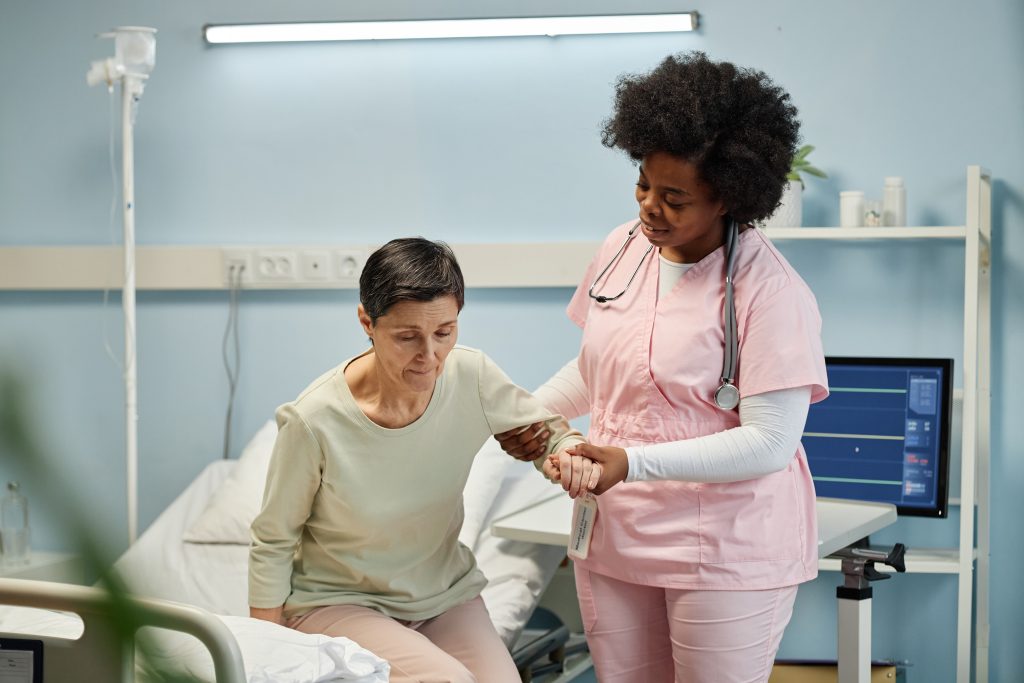
But many prospective students wonder if classroom training alone is enough to get them ready for a real healthcare setting. The honest answer? It isn’t. Great CNA programs for students combine classroom instruction, hands-on practice, and supervised clinical experience to build both confidence and competence.
Here’s a closer look at how quality certified nursing assistant training turns eager beginners into job-ready caregivers.
Why Real-World Patient Care Requires More Than Compassion
Compassion matters, but it’s only part of the job. A CNA is responsible for assisting patients with daily needs, monitoring their condition, and reporting changes to nurses. That work demands a blend of technical skill and emotional intelligence.
Technical and soft skills carry equal weight here. You need steady hands to take vital signs and a calm presence to reassure a frightened patient. When CNAs do both well, they contribute directly to better patient outcomes—fewer falls, cleaner care environments, and patients who feel genuinely supported.
Building a Strong Foundation Through Classroom Learning
Every solid CNA training program starts in the classroom, where students learn the “why” behind the care they’ll provide. This foundation makes the hands-on work later feel far less intimidating.
Effective CNA classroom training typically covers:
- Basic nursing principles that guide day-to-day care
- Human anatomy and physiology, so students understand how the body works
- Medical terminology used across healthcare teams
- Infection prevention and control to keep patients safe
- Patient rights and HIPAA awareness, protecting dignity and privacy
At Radiant Care Nursing and Phlebotomy School, the theory portion moves quickly—often about a week and a half—giving students the knowledge base they need before stepping onto the floor.
Practical Skills Students Learn Before Clinical Training
Once the fundamentals click, students begin practicing real CNA patient care skills in a supervised lab. This is where confidence starts to build.
Before clinicals, students typically master:
- Assisting with activities of daily living (ADLs)
- Measuring and recording vital signs
- Performing safe patient transfers and mobility assistance
- Providing feeding and hydration support
- Helping with personal hygiene and grooming
- Making beds and positioning patients comfortably
Practicing on mannequins first lets students repeat each task until it feels natural—without any pressure. It’s a smart way to smooth out nerves before working with real people.
How Clinical Training Bridges the Gap Between Classroom and Patient Care
Classroom knowledge is essential, but clinical training is where it all comes together. Working with real patients under supervision shows students what caregiving actually looks like, moment to moment.
During clinical rotations, students apply what they learned in class, take on daily CNA responsibilities, and learn the rhythm of a working facility. At Radiant Care, the final weeks of the program are spent doing clinicals at a rehab home, where students meet patients and grow familiar with the floor. Graduates leave with genuine experience, not just a certificate.
Essential Communication Skills Every CNA Must Master
Strong communication can be just as important as any clinical skill. CNAs spend more time with patients than almost anyone else on the care team, which makes clear, compassionate conversation a daily necessity.
The best CNA education programs help students develop the ability to:
- Speak with patients kindly and patiently
- Listen actively to understand real needs
- Report changes in a patient’s condition promptly
- Work smoothly alongside nurses and fellow caregivers
- Offer reassurance to worried patients and families
These skills often make the difference between a good CNA and a great one.
The Importance of Patient Safety in Every CNA Program
Safety runs through everything a CNA does. Quality healthcare training programs drill safety habits early so they become second nature by the first shift.
Core safety training includes:
- Following infection control procedures
- Practicing proper hand hygiene
- Preventing patient falls
- Using safe lifting and transfer techniques
- Understanding emergency response basics
When these practices become routine, both patients and caregivers stay protected.
What Makes Radiant Care’s CNA Program Stand Out?
Choosing the right program shapes your entire CNA career path. Radiant Care Nursing and Phlebotomy School, a state-approved CNA program in Tracy, CA, was built to prepare students for real work from day one.
Students choose Radiant Care for its:
- Experienced instructors with real clinical backgrounds
- Hands-on skills labs
- Supervised clinical rotations
- CDPH-approved curriculum
- Small class sizes for individual attention
- Certification exam preparation, including a mock state exam
- Support that carries students toward job placement
The program can be completed in as little as 21 days, with tuition of $1,450, which includes instruction, clinical training, scrubs, books, and a Certificate of Completion.
Start Your Career Ready to Care
Great CNAs aren’t born; they’re developed through a mix of knowledge, hands-on practice, and real clinical experience. A well-structured program gives students the confidence and skills to provide compassionate, safe, and effective care from their very first shift.
When you’re comparing options, choose a program that prioritizes real-world readiness and long-term career success. Prepare for the job ahead with the CNA programs for students of all ages at Radiant Care Nursing and Phlebotomy School—and take the first step toward a healthcare career that matters. View the class schedule and enroll today.